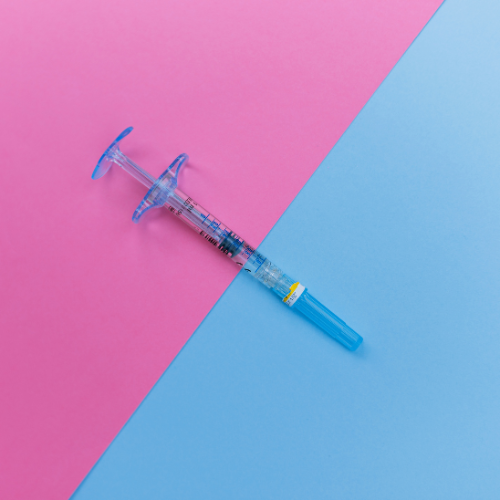
A New Approach to Contraception
Researchers at the Massachusetts Institute of Technology (MIT) have developed a self-administering birth control injection that could offer months—or even years—of pregnancy prevention.
The breakthrough eliminates the need for:
- Daily pills
- Surgical implants
- Frequent doctor visits
This innovation could be especially valuable in regions where access to healthcare is limited.
“The new jab lasts over 97 days in early testing.”
How It Works
The injection contains microscopic crystals that assemble under the skin after being injected. These crystals form a structure that slowly releases hormones, preventing the release of eggs from the ovaries.
- It’s designed for easy use at home
- Injection is typically into the abdomen
- It uses small, comfortable needles to reduce bruising or pain
“Our challenge was creating a long-lasting solution that’s still easy and comfortable to self-administer.”




Why This Matters
Traditional contraceptive methods have their limits:
- Implants can last years but require minor surgery
- Injectables are non-surgical but only last around three months
This new jab offers the best of both worlds—long-acting protection with at-home ease.
Potential Game-Changer for Low-Resource Areas
Researchers say this could significantly benefit communities where:
- Daily pill intake isn’t practical
- Medical professionals are not easily available
- Long-term, self-managed contraception is preferred
“This could add a completely new option to the existing family planning toolkit.”
Beyond Contraception: More Uses on the Horizon
The MIT team believes the same technology could work for other health issues that require long-term drug delivery, including:
- HIV treatment
- Tuberculosis
- Schizophrenia
- Chronic pain
- Metabolic diseases
“It’s essentially a mix of a solvent, the drug, and a bit of biodegradable polymer.”
This simplicity makes it easier to produce, scale, and potentially tailor for different medications.
Next Steps Toward Human Use
The jab has not yet been tested on humans. However, the research team is now:
- Conducting advanced preclinical trials
- Studying how the crystals form under human-like skin conditions
- Optimizing dosage and duration for different scenarios
If successful, this could open doors to a whole new class of DIY, long-lasting medical treatments.