A Genre-Bending Take on Crime Drama
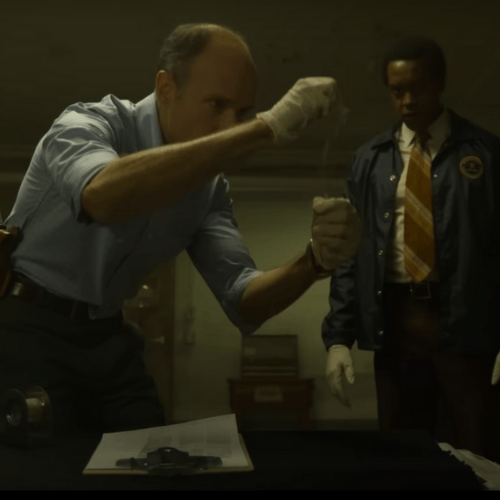
While Netflix has produced its share of memorable series, Mindhunter stands apart as a detective thriller that rejected the usual tropes.
Unlike traditional crime dramas that revolve around episodic resolutions, this show delves deep into the psychological roots of criminal behavior—transforming police work into a cerebral and unsettling journey.
Set in the late 1970s and early 1980s, Mindhunter dramatizes the early days of the FBI’s Behavioral Science Unit. Inspired by real events and figures, it showcases the birth of criminal profiling, as agents interviewed notorious serial killers to understand the patterns that drive them. The result is an unnervingly precise look into the darkest minds in America.
“Mindhunter is not about catching the killer—it’s about understanding the why before the who.”
Season Two Doubles Down on Complexity and Doubt
If Season One was about discovery, Season Two leaned into uncertainty.
This season confronts the harrowing Atlanta Child Murders case, where Holden Ford becomes deeply involved in the investigation. While his profiling methods suggest a specific suspect type, the surrounding ambiguity—especially whispers of KKK involvement—casts lasting shadows on any sense of closure.
- The real-life case remains controversial, with over 26 victims and lingering doubt over the true perpetrator.
- This mirrors the show’s central theme: not all questions have answers.
The writing leans heavily on ambiguity, moral gray areas, and psychological nuance, reinforcing the idea that absolute truth often remains out of reach—even for professionals.

Crafted to Perfection, Scene by Scene
Stylistically, Mindhunter is unmatched. Every frame is intentional, with David Fincher’s cinematic discipline evident throughout. The first three episodes of Season Two were directed by Fincher himself, followed by the nuanced lenses of Andrew Dominik and Carl Franklin—creating a cohesive yet multifaceted visual experience.
- Unlike typical crime shows, Mindhunter avoids sensationalism.
- There are no dramatized murders. Instead, it relies on interviews, photos, and raw tension—keeping viewers aligned with the characters’ limited perspective.
This approach only amplifies the sense of dread. The killers—based on real interviews—feel chillingly authentic, especially with performances like Cameron Britton’s unforgettable Ed Kemper.
“It’s in the silence and restraint where Mindhunter becomes the loudest.”
Character Depth That Cuts Deep
Each main character evolves through deeply personal struggles:
- Holden Ford battles professional obsession and personal disconnect.
- Bill Tench, portrayed with emotional weight by Holt McCallany, faces chilling turmoil at home that eerily mirrors his work.
- Wendy Carr explores a new relationship that, while underdeveloped, adds texture to her character’s emotional life.
The show isn’t just about killers—it’s about what it costs to understand them.
The Show That Netflix Let Slip Away
Despite rave reviews and stellar ratings (Season 2 boasts a 99% critic score on Rotten Tomatoes), Netflix pulled the plug after just two seasons. The cancellation came down to one thing: budget.
- The show’s realistic period settings, detailed VFX, and meticulous production design made it deceptively expensive.
- Unlike big-budget fantasy hits, Mindhunter’s costs weren’t flashy—they were subtle, invisible, and crucial.
Fincher revealed that Netflix found the expense hard to justify, especially since the series didn’t achieve the viral fame of some of the platform’s other hits. As a result, fans were left with unresolved arcs and a lingering sense of what could’ve been.
“Mindhunter didn’t end. It paused. And the silence ever since has been deafening.”