Through Ana’s Eyes: A Story of Realizations
Friendship red flags often hide behind shared laughs and daily check-ins—but underneath, they reveal cracks in trust, respect, and emotional safety. In this piece, we’ll explore 15 of those red flags, told through the lived experience of Ana—a kind-hearted woman who begins to see her friendship with Rachel for what it really is.
1. They Only Show Up When They Need Something
Rachel only messaged Ana when she needed help—“Can you drop me to the salon?”, “Can I borrow your dress?”, “I forgot my wallet, can you pay?” Ana, being sweet, always helped. But when Ana needed a ride to the doctor once, Rachel suddenly “had plans.”
A true friend doesn’t treat you like a personal assistant. One of the earliest friendship red flags is feeling used but not valued.


2. They Put You Down, Even as “Jokes”
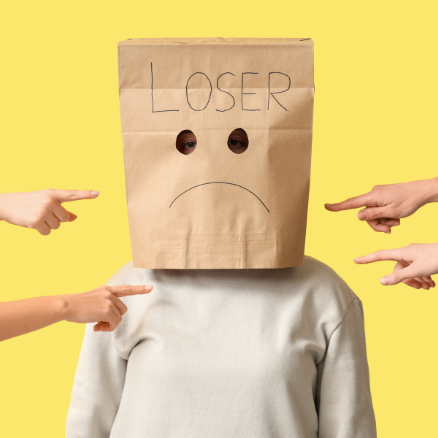
At a party, Ana wore a new dress. Rachel laughed loudly, “Wow, love how bold you are to wear that. Confidence is key, right?” Everyone chuckled awkwardly. Ana forced a smile—but it stung.
When mockery is disguised as humor, it’s not harmless—it’s hurtful. These constant jabs are clear warning signs in friendship.
3. They Compete Instead of Celebrating You
When Ana got a promotion, Rachel didn’t congratulate her. She said, “That’s cute. But I’ve already made more in bonuses last year.” Instead of sharing joy, she turned it into a competition.
Friendship isn’t a contest. That kind of one-upping is a damaging sign of a toxic friendship dynamic.
4. They Gossip About Others Constantly
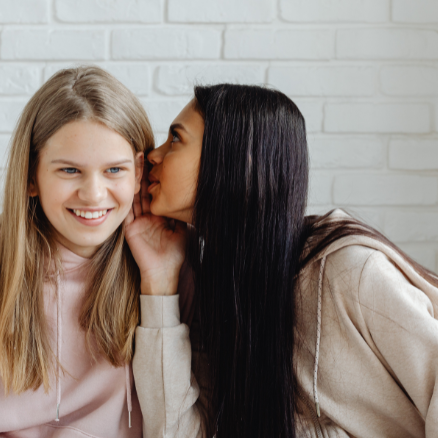
Rachel often called Ana just to spill tea: “You won’t believe what Myra did…” Ana laughed along until she realized—if Rachel gossips about everyone, she probably gossips about her too.
Gossip is a clear friendship red flag—if they talk about others behind their backs, you’re likely next.
5. They Guilt-Trip You

One weekend, Ana needed time to herself. Rachel texted, “Cool, guess I’m not important anymore.” Ana felt guilty and canceled her self-care day to meet Rachel—who just wanted to vent about her boyfriend again.
Guilt-tripping is a subtle but powerful form of emotional manipulation—and a serious red flag.
6. They Drain Your Emotional Energy

Ana came home thrilled—she’d just aced an interview. She called Rachel, expecting a “That’s amazing!” But Rachel sighed, “Ugh, lucky you. My day was awful. My boss is a jerk, my skin is breaking out, and I feel fat.” For the next hour, Ana listened to Rachel rant. Not once did she ask about Ana’s news.
When a friend leaves you feeling drained instead of uplifted, that’s a strong indicator of a one-sided friendship.
Get back your drained energy: Try this 10-minute break technique.
7. They Never Apologize
Rachel forgot Ana’s birthday. No apology. She brushed it off with, “You know I suck at dates. Don’t be dramatic.” Ana felt invisible.
When someone refuses to say “I’m sorry,” they’re refusing to take accountability—a serious friendship red flag.
8. They Disappear When You’re Struggling
When Ana’s grandmother passed away, Rachel didn’t check in. Days later, she sent a meme saying, “Hope you’re alive lol.” Ana cried—realizing who showed up during pain mattered most.
Disappearing during hard times reveals the truth behind any relationship. Real friends show up.
9. They Don’t Respect Your Boundaries
Ana once said, “Hey, I don’t like talking about my family stuff too much.” The next day, Rachel casually blurted details about it in front of others. Ana froze.
When boundaries are ignored, it’s more than inconsiderate—it’s a major red flag in friendship.
10. You Can’t Be Yourself Around Them
Ana loved silly rom-coms and dressing quirky. But around Rachel, she filtered her opinions, clothes, and jokes to avoid eye rolls or mockery. She felt like a different person.
If you can’t be your authentic self, that friendship is costing you more than you think.
11. They Copy You and Try to One-Up
Ana started journaling. Rachel mocked it—then a week later, posted her own journaling reel on Instagram and said, “Been doing this for years.” Ana felt erased from her own idea.
Copying with competitiveness is a sneaky and often overlooked friendship red flag.
12. They Make Everything About Them
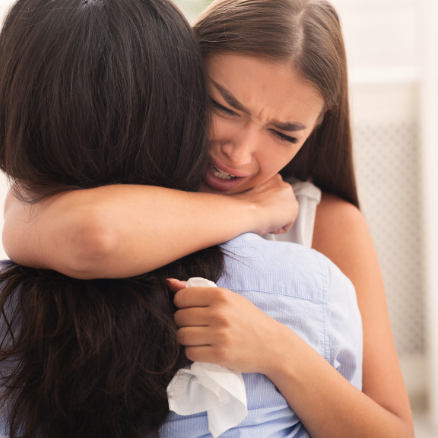
Ana: “I’ve been feeling anxious lately…”
Rachel: “Ugh SAME, but honestly mine is worse. Let me tell you…”
And just like that, Ana’s vulnerability vanished into Rachel’s monologue.
One-sided emotional space creates deep imbalance. A real friendship requires mutual care.
13. They Sabotage Your Other Relationships
When Ana grew close to Myra, Rachel warned her: “Don’t trust Myra, she talks behind your back.” Later, Ana found out it was false. Rachel was just jealous.
When someone tries to isolate you, it’s not protectiveness—it’s control. That’s a deeply toxic friendship sign.
14. They Break Your Trust

Ana once shared a secret about her family. A day later, another friend casually mentioned it. “Rachel told me. I thought you were okay with that?” Ana felt betrayed.
Trust is the foundation. Break it often, and the friendship starts to feel unsafe and fragile.
15. You Keep Making Excuses for Them
“She’s just moody.”
“She means well.”
“She had a rough childhood.”
Ana kept forgiving and shrinking herself—until she finally realized: good intentions don’t excuse harmful actions.
“I don’t feel loved in this friendship. I feel used.”
That’s what Ana wrote in her journal—and that was the beginning of her freedom.
Final Thoughts
Recognizing these 15 friendship red flags isn’t about being dramatic—it’s about being honest with how someone makes you feel.
You deserve respect, reciprocity, and real support.
If you feel constantly anxious, dismissed, or small around someone, it’s not “just you.”
It’s your intuition trying to protect you. Choose friendships that feel like home—not hard work.