Joint Pain Isn’t Inevitable—Inactivity Is the Real Culprit
Millions feel stiff knees, sore hips, or aching backs and assume age is to blame. In truth, inactivity—not years—drives most pain. The most common joint disease, osteoarthritis, affects over 595 million people and could reach 1 billion by 2050.
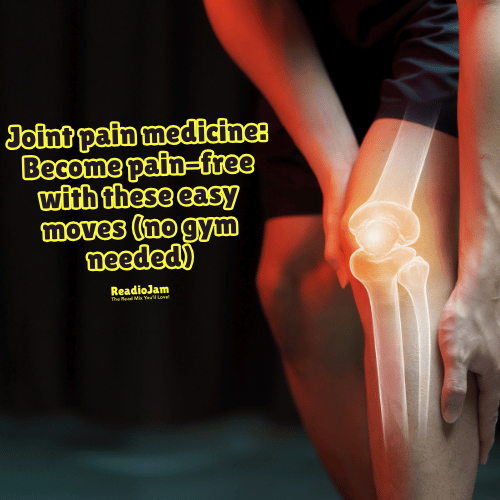
Put simply: when you move, you feed your joints. When you sit, you starve them. This is why smart movement routinely outperforms joint pain medicine for long-term relief.
“Joints aren’t worn out—they’re underused.”
What Movement Does Inside a Joint
Cartilage has no direct blood supply. It relies on movement to push out waste and pull in nutrient-rich fluid—like a pump.
Every step, squat, or stretch refreshes tissue, reduces inflammation, and stabilizes the joint by strengthening the supporting muscles.
“Exercise feeds your joints. Stillness starves them.”



Stop the ‘Wear and Tear’ Myth
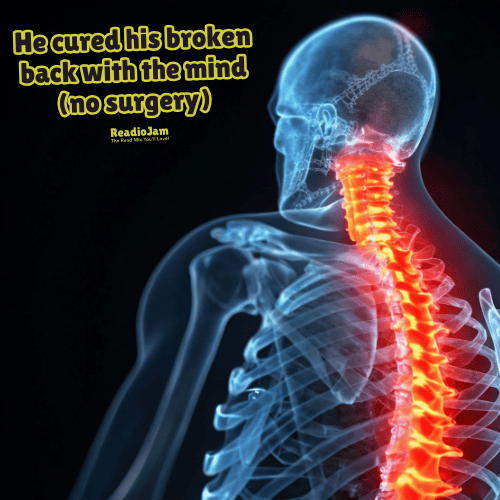
Avoiding motion doesn’t protect you. It weakens muscles, wrecks balance, and often amplifies pain. Training muscles and nerves together rebuilds coordination, sharpens posture, and restores control—even when joints feel cranky.
If you’re breaking away from habits that keep you stuck, think of it like ending a harmful tie—clean, clear, and calm—much like this guide to a toxic-friendship survival reset that favors decisive, low-drama change.
“Movement heals what pain tries to break.”
Proof in the Numbers
A small weekly commitment delivers outsized results. With just two hours of movement a week, people with joint pain report:
- Up to 35% less pain
- 29% fewer GP visits
- ~50% fewer sick days
- Noticeably better quality of life
Many even return to work after time off for joint issues. These wins touch body, mind, and wallet.
Why Exercise Beats Pills First
Medication can blunt symptoms. But it doesn’t rebuild support, reduce load, or retrain control. Movement does all three—and carries positive side effects like better energy and mood.
Yes, surgery can be vital in severe cases. Yet for most, the safer first-line is structured movement—before prescriptions or procedures. That’s how you outsmart joint pain medicine.
“Before surgery, try sweat.”
The Molecular Magic
Exercise lowers inflammatory markers, slows cartilage breakdown, and even tunes gene activity linked to pain and joint repair. If you carry extra weight, movement delivers a double benefit: it lightens mechanical load and shrinks fat-driven inflammation that worsens osteoarthritis over time.
Consistency is the amplifier—treat your routine like a sealed promise, a time capsule you’ll open later to reveal the gains you banked today.
Start Here: Easy Moves (No Gym Needed)
You don’t need fancy gear. You need rhythm. Mix and match:
- Daily 10-minute walks (morning + evening)
- Twice-weekly strength: chair squats, wall push-ups, step-ups (10–15 mins)
- Mobility snacks: ankle rocks, hip openers, thoracic twists (3–5 mins, 3x/day)
- Balance drills: single-leg stands while brushing teeth (2 mins)
Small, steady actions compound—like careful excavations that reveal something massive over time, as with the ancient city unearthed near Luxor.
Pain Has a Story—So Does Recovery
Progress isn’t linear. Expect good days and gritty days. That’s normal. Healing often jumps around in time, much like a story told out of order—raw, human, and real—akin to the layered emotions in this boldly fragmented drama.
Stay with the rhythm. Adjust, don’t quit.
“Your joints don’t need rest. They need rhythm.”